Most patients who come to my chair for botox are not chasing a frozen look. They want their own face, just a little smoother, a touch more rested, and less distracted by lines that makeup cannot blur. When done thoughtfully, botox injections soften movement patterns without stripping expression, so your features read as you on your best day.
This guide reflects years of clinical experience with botox cosmetic treatments, plus the conversations that matter in real life: how it feels, what it costs, what can go wrong, and how to make results last. If you are searching for botox near me, or comparing a botox clinic with a med spa, use this as a practical reference, not a sales pitch.
What botox does, in plain terms
Botox is a purified protein that relaxes muscle activity where it is injected. Most facial wrinkles form from repeated expressions. Think of the horizontal lines across the forehead, the vertical “11s” between the brows, and the radiating lines at the corners of the eyes we call crow’s feet. Reduce the overactive pull of those muscles, and the skin above them stops folding as sharply. That is the core of botox for wrinkles and botox for fine lines.
" width="560" height="315" style="border: none;" allowfullscreen="" >
The drug does not fill, lift, or resurface. It changes muscle behavior. That is why it pairs well with other treatments like filler, lasers, and medical-grade skincare. In the right sequence, you get a smoother surface, better light reflection, and a more even tone. Many patients call this the botox glow, even though the glow itself comes from less crinkling and better moisture retention rather than a direct skin-tightening effect.
Where botox shines on the face
Most people start with the upper face because risk is lower and the payoff is immediate. The classic trio:
- Botox for forehead: Softens horizontal lines. The trick is balancing the frontalis muscle so the brows do not feel heavy. Light, even dosing and preserving a few millimeters of lateral lift keep an open look. Botox for frown lines: Treats the corrugators and procerus. This is often the most satisfying area for both men and women. Smoother glabella, fewer scowls in traffic, less eye strain by day’s end. Botox for crow’s feet: Eases the fan of lines outside the eyes. Good technique respects the zygomatic muscles so you keep a real smile.
Beyond the big three, advanced placement can refine shape without a scalpel:
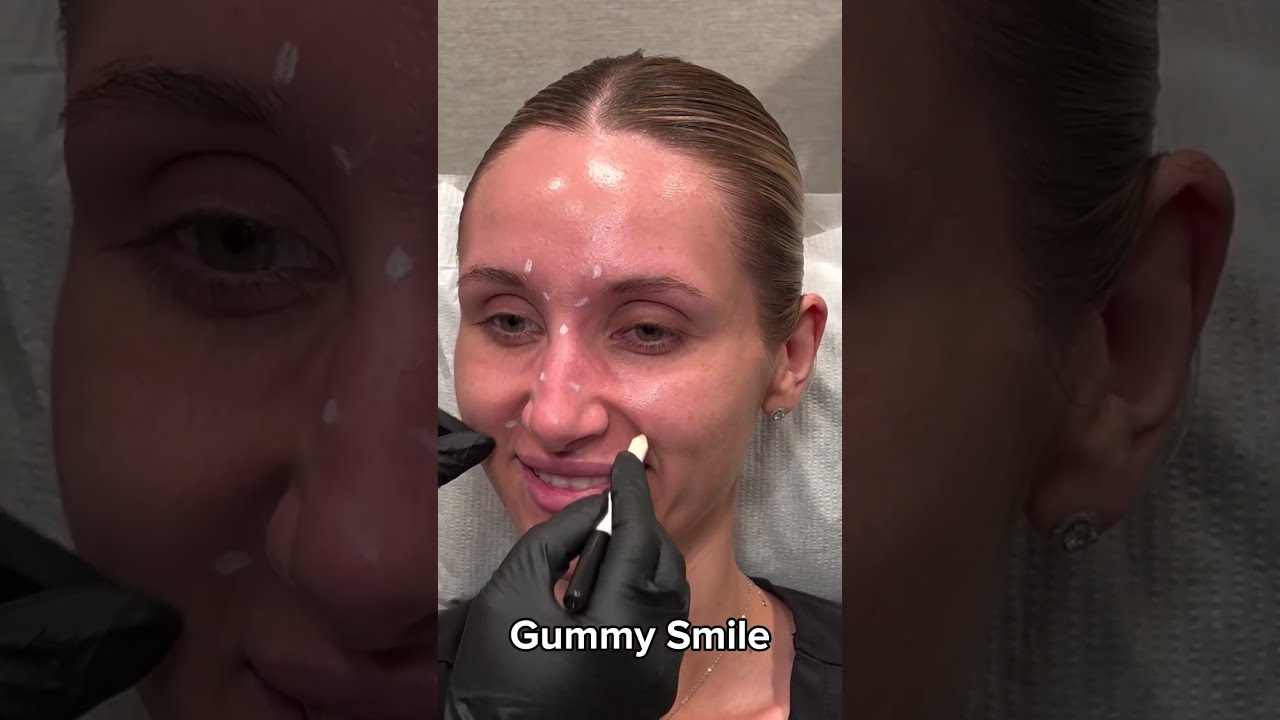
- Botox brow lift: A subtle elevation by relaxing the brow depressors. Great for someone whose brows angle down at rest. Lip flip: A few units in the upper lip border, allowing more lip show without filler. It suits patients who want a lighter, flexible change rather than volume. Gummy smile correction: Weakens the elevator muscles of the upper lip so less gum shows during a full grin. Masseter reduction and jawline contouring: For a wide or tense jaw, selective dosing slims the lower face and can reduce clenching. This is common in botox for men who grind at night, as well as in women seeking a softer angle. Chin dimpling and pebbled texture: Tiny doses in the mentalis smooth the orange peel effect and can reduce a chronic downturned corner pull. Neck bands: Platysmal bands in the neck can be softened to tidy the jaw-neck transition. Precision matters, and conservative dosing helps prevent swallowing or voice changes.
Some providers discuss botox for pores and botox for acne. Traditional intramuscular botox does not treat pores directly, but very superficial micro-dosing techniques, sometimes called microbotox or mesobotox, can reduce oil and sweat in treated zones and make skin look more refined. It is not a cure for acne, and results vary, so set expectations clearly.
How the botox procedure feels from start to finish
A good botox service begins with a conversation, not a syringe. During a botox consultation I map how your face moves: the eyebrow rise you like, the asymmetry in your smile, the way your forehead creases only when you speak animatedly. We set priorities, talk about budget, and decide on a dose range that matches your goals. I also review your medical history. Active skin infection, pregnancy, breastfeeding, certain neuromuscular conditions, and recent facial surgery can be reasons to wait.
On treatment day, the skin is cleansed, sometimes with an antiseptic like chlorhexidine or alcohol. Most patients do not need numbing cream because the needles are fine, but ice or a vibration device can help if you are needle-sensitive. A typical botox session for the upper face takes 10 to 20 minutes. You will feel quick pinches, sometimes a slight pressure. Forehead and glabella are the easiest, crow’s feet can sting a bit more.
Right after the botox injections, there can be small bumps that settle in 10 to 20 minutes. Makeup is fine later the same day, just avoid heavy rubbing. Return to normal work or errands is immediate. That is why botox is a popular botox non surgical choice for people with full schedules.
When results show and how long they last
Expect the first changes around day 3 to 4, with visible results by day 7 and full effect by day 10 to 14. The early sign is less urge to frown or squint. By two weeks, the lines look softer at rest and movement looks smoother. In new patients, peak softening can feel surprisingly quiet across the forehead. We often plan a two week follow up for a quick check and any tiny adjustments.
Longevity depends on dose, muscle strength, metabolism, and your expression habits. Most patients enjoy 3 to 4 months of consistent effect. Some areas, like the masseters, may hold closer to 4 to 6 months after repeat sessions. Athletic patients can metabolize faster. If you prefer lighter dosing for a very natural look, you may trade longevity for subtlety. That is a fair exchange for many.
Botox versus filler, so you choose the right tool
People mix the two all the time in conversation. They do different jobs. Here is a tight comparison that helps in the exam room.
- Botox relaxes muscle, filler restores volume. Think dynamic lines for botox, lost structure for filler. Areas: botox for forehead and crow’s feet, filler for cheeks, tear troughs, and lips. Onset: botox in days, filler is immediate. Longevity: botox 3 to 4 months, filler 6 to 18 months depending on product and location. Risks: botox can cause temporary weakness or ptosis, filler carries rare but serious vascular risks, which is why both require an experienced botox provider and injector.
Many patients benefit from both. A small botox brow lift with subtle temple or cheek filler can freshen the entire upper face. The sequence usually starts with botox, then filler a week or two later.
Safety profile and what can go wrong
Botox cosmetic injections have a long safety record when performed by a trained medical professional using authentic product. Still, no treatment is risk free. Minor effects include redness, pinpoint bleeding, bruising, and headache. The bruise risk climbs if you take aspirin, NSAIDs, fish oil, vitamin E, or certain supplements. If you can safely pause those with guidance from your doctor, do so a week before.
Less common issues include eyelid droop, brow heaviness, or a smile that feels off. These reflect spread or over-relaxation in nearby muscles. Incidence for true eyelid ptosis is low, commonly cited around one to two percent in older studies for the glabellar complex, but it can happen. It is temporary, often resolving in two to eight weeks. Experienced injectors reduce that risk by adjusting placement, depth, and dose based on your anatomy.
Neck treatments carry specific considerations. Too much relaxant in lateral neck bands can affect swallowing or voice in rare cases. Masseter reduction can feel odd for a few days as you adjust to a new bite pattern. That is normal. If something feels wrong to you, not just unusual, contact your injector right away.
If you have a history of keloids, active cold sores, or significant allergies, disclose that during your botox appointment. While keloids are not a typical issue with fine needles, it is still part of good history taking. Botulinum toxin allergies are rare.
What I ask patients to do before and after treatment
A little preparation and care go a long way. Here is the pre-treatment checklist I share in clinic.
- Skip alcohol the night before to cut bruising risk. If safe for you, hold aspirin, ibuprofen, and high dose fish oil for 5 to 7 days. Arrive with a clean face free of heavy makeup or oils. Plan workouts before your visit, not right after. Bring reference photos if there was a past botox result you loved.
Aftercare is simple. Avoid rubbing or massaging the treated areas for the rest of the day. Keep your head upright for a few hours. You can cleanse and apply skincare that evening, but be gentle. Delay intense heat like saunas and hot yoga for 24 hours. Flying is fine. If a bruise appears, a cold compress helps during the first day, then arnica or a color corrector the next.
How much botox costs and why prices vary
Across the United States, botox price is commonly quoted per unit. In many markets you will see $10 to $20 per unit. Skilled providers tend to fall toward the middle or higher end because of training, product sourcing from a certified distributor, and the extra time spent on assessment and mapping. Some clinics advertise botox offers or botox deals that look too good to be true. Often there is a catch, such as extremely low dosing, diluted product, or inexperienced injectors. If an office quotes botox packages, ask what that includes, how many units, and what follow up looks like.
As a rough range, treating the glabella may require 15 to 25 units, crow’s feet 8 to 12 units per side, and the forehead 6 to 18 units depending on anatomy. That means an upper face session might range from 30 to 60 units. Masseter contouring can take 20 to 30 units per side to start. Lip flips use small doses, typically 4 to 8 units in total. These are examples, not promises. The best botox plan is customized, not copied from a menu.
Affordable botox does not have to mean bargain basement. It means transparent pricing, fair dosing, authentic product, and a botox specialist who listens. A good botox clinic will talk about cost without pressure. If you are comparing options after searching for botox near me, visit two providers and trust the one who explains trade offs clearly and documents what they do.
How to judge natural results
Natural does not mean no movement. It means movement without harsh creasing. Foreheads should still lift a bit. Eyebrows should not feel tethered. Smiles should look like your smile, not a new person’s. A light touch in a first session is wise. We can always add. When you see botox before and after photos, watch for lighting tricks. Overhead light exaggerates lines, diffuse light hides them. Look for the same angle, similar expressions, and no makeup changes.
New patients often ask how friends or coworkers will react. In truth, most people only notice that you look rested or chipper. I have had patients return after a big presentation or a wedding and tell me nobody could pin down the change. That is the sweet spot.
Men, women, and the art of dosage
Botox for men is not just more units. Male foreheads and brow complexes can be heavier, so dosing sometimes needs to increase. However, eyebrow shape matters just as much as strength. Many men prefer a flatter, straighter brow with minimal arch. Women often ask for a bit of lift laterally that reads as bright and awake. Gendered patterns are only a starting point. I have female athletes with powerful frontalis muscles who need decisive dosing, and men in creative fields who want the softest hand possible.
For older patients with etched static lines, botox softens but does not erase. Pairing botox with biostimulatory treatments, retinoids, and sun discipline helps. Some deep creases are like folds in a well worn leather jacket. You can relax the jacket and condition the leather, but you still recognize its history.
Special cases and honest limits
- Under eyes: Botox for under eyes is delicate. The orbicularis oculi muscle supports eyelid position. Over-relaxation can cause swelling or a flat stare. In the right candidate, tiny doses help the crinkle zone just under the lash line, but we tread lightly. Neck tightening: Botox skin tightening is a phrase you will see online. Traditional botox does not tighten skin. It can, however, relax platysmal pull, which indirectly sharpens the jawline. Microbotox methods may make skin look finer, but they do not replace devices like radiofrequency or ultrasound. Acne and pores: Expect mild improvement in oiliness and shine with micro-dosing, not a cure. Acne is best treated with a layered approach: skincare, peels, light or laser, and sometimes medication. Smile lines: Botox for smile lines at the nasolabial fold is usually not appropriate. That fold is about volume and structure, so filler or collagen-building strategies suit better. Tiny botox doses around the mouth can shape, but they can also weaken lip function if misapplied.
It is valuable to hear “no” from a botox expert. No keeps you safe. No protects function. A seasoned botox doctor knows where to pause and where to pivot.
Choosing a professional botox provider
Credentials are a starting line, not the finish. You want a botox certified clinic with a culture of education and conservative dosing on a first pass. Ask who is injecting you, what product they use, and how often they treat the area you care about. Watch how they map your muscles during animation, not just at rest. Judge the time Botox in NY they spend on consent and aftercare. A botox experienced doctor or nurse practitioner will take photographs, record units by site, and invite you for a follow up. That is professional botox.
Patients often bring screenshots of botox trending treatment clips. I welcome that. Trends are a conversation starter. We then translate them into your anatomy and lifestyle instead of copying a template. That is the difference between a botox cosmetic service and a personalized botox aesthetic treatment.
What a typical maintenance year looks like
If you like consistent botox results, plan visits every 3 to 4 months for the first year. Over time, some patients can stretch to 4 or 5 months as the habit of over-expressing fades. Skincare matters. A retinoid at night, vitamin C in the morning, daily sunscreen, and periodic exfoliation extend the look of smooth, healthy skin. Hydration and sleep do not sound glamorous, yet they change how folds appear by mid afternoon.
Some people build a routine: botox face injections in spring before events, a light refresh mid summer, then a stronger session before the holidays. Others prefer same day touch ups as needed, especially those with public-facing roles. Either way, consistency helps. When you let everything wear off completely for long stretches, you spend the first weeks after a restart rebuilding the effect.
Sensation, expression, and living with botox
Expect your face to feel a little different when you try botox for the first time. Frowning may feel like trying to use a muscle after a gym session. That slight resistance is the point. You can still raise your brows and smile, just with less effort. Within a week your brain stops chasing the old movement patterns.
If you are highly expressive on stage or on camera, say that out loud. We preserve more forehead movement and rely on strategic glabella placement, or treat the crow’s feet zone more than the center frontalis. A tailored map respects your brand of expression.
Red flags and green lights when booking
If a clinic pushes high units without examining your movement, that is a red flag. If the price is unusually low with no clear product source, another red flag. If a provider cannot explain why they chose a site, move on.
Green lights include measured dosing for a first session, documentation that includes units per site, a two week follow up offer, and a plan that addresses your concerns in order of importance. Clear conversations about botox cost, optional add ons, and what is covered by a touch up signal professionalism. If a botox beauty clinic publishes botox packages, see if they flex the contents based on your anatomy instead of forcing a fixed bundle.
A brief, realistic roadmap for your first visit
Here is how a first time patient journey often goes in my practice. You book a botox appointment after a phone or online botox consultation. We review allergies, medical history, and goals. I examine expression at rest, in motion, and under different angles of light. I mark a few points with a removable pencil, discuss unit ranges and price, and confirm you are comfortable proceeding. The botox procedure takes under 20 minutes. You walk out with little red dots that fade before you finish lunch. At day 3 you notice less scowling. By day 10 your forehead looks like you slept well for a week. We check in at two weeks. If you love it as is, we wait for the next cycle. If you want a touch more lift laterally, we add a few units.
Botox results build trust when they feel predictable and human. That is the standard to aim for.
Final thoughts from the treatment room
Botox is a tool, not a personality transplant. Used with judgment, it highlights the features that already make you compelling. For some, that is a cleaner brow line and softened frown. For others, a lip flip that makes lipstick wear better and a masseter treatment that finally eases night grinding. There is room for affordable botox without cutting corners, and there is wisdom in paying for experience.
If you are ready to explore botox facial treatment or botox for aging skin, start with a measured plan. Ask questions. Bring photos. Insist on authenticity, safety, and a provider who can say both yes and no. The goal is not a different face. The goal is your face on a very good day, again and again.